This guide focuses on 10 subscription box categories where the economics genuinely work: strong product margins, proven demand, and a clear path from first box to sustainable recurring revenue.
Why Subscription Boxes Still Work in 2026
Consumer behaviour has shifted permanently toward convenience. Retention economics keep improving with better tools (dunning, churn prevention, flexible portals). And niche wins over mass market - the boxes that thrive are specific, not generic.
1. Coffee Subscription Box
A subscription box idea is only as good as its second delivery. If the customer would not have bought that one anyway, the box is a gift, not a business.
Freshly roasted coffee delivered on a regular schedule. Coffee is one of the most naturally subscribable products - people drink it daily, they're loyal once they find what they like, and the consumption cycle is predictable. Typical price: $16–$30/month. Gross margin: 45–60%. Retention: 6–10 months.
Start by partnering with local roasters for white-label fulfillment. Offer both subscribe-and-save on individual bags and a curated discovery box.
2. Wellness & Supplements Box
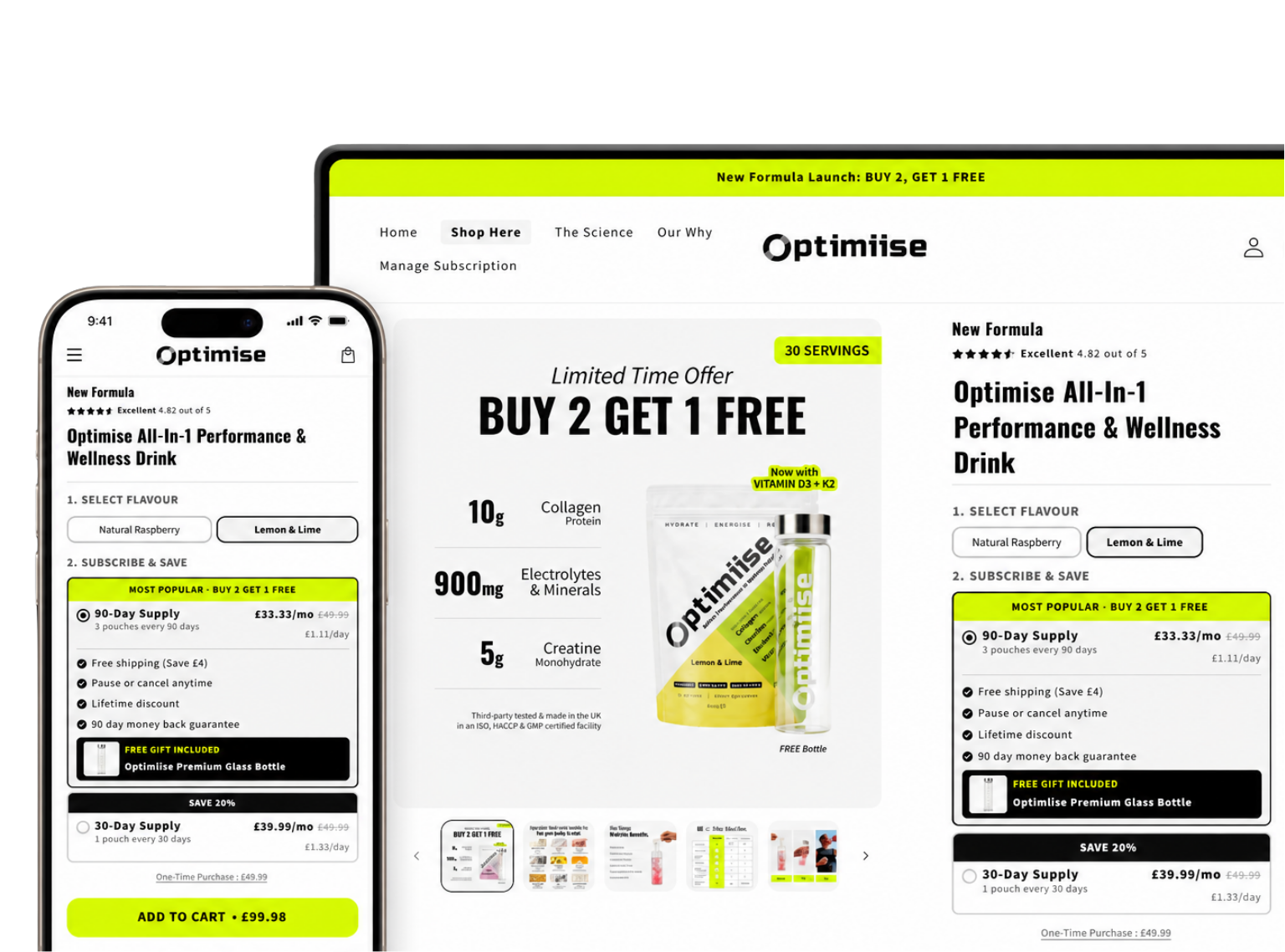
Monthly supply of vitamins, supplements, or wellness products - often personalised via quiz. Supplements are consumable by nature, creating automatic monthly reorder cycles. Typical price: $25–$60/month. Gross margin: 50–70% (owned formulations) or 35–45% (third-party brands). Retention: 5–9 months.
Begin with a focused niche like "gut health for women over 30" rather than general wellness.
3. Pet Supplies Box
Monthly box of treats, toys, and chews for dogs or cats. Pet owners are among the most consistent spenders - they don't cut back on their pet's treats during downturns. Typical price: $25–$45/month. Gross margin: 40–55%. Retention: 6–10 months.
Themed monthly boxes create shareable unboxing content - essentially free marketing.
4. Beauty & Skincare Box
Curated skincare products and beauty tools. Discovery is built into the customer mindset - people want to try new products without risking full-size purchases. Typical price: $20–$50/month. Gross margin: 50–65%. Retention: 4–7 months.
Reach out to indie brands - many provide products at cost in exchange for exposure to your subscriber base.
5. Snacks & Specialty Food Box
Curated snacks with a specific dietary focus (keto, vegan, gluten-free) or geographic theme (Japanese snacks, artisan Southern US foods). Typical price: $25–$45/month. Gross margin: 40–50%. Strong gift potential brings in customers who'd never search for a subscription box.
6. Book Subscription Box
Hand-picked books plus bookish extras (bookmarks, candles, art prints). Genre-specific boxes outperform genre-agnostic ones. Typical price: $30–$55/month. Gross margin: 45–55%. Retention: 6–12 months - if subscribers trust your curation, they stay.
7. Fitness & Activewear Box
Workout gear, activewear, or fitness accessories styled around a training type. Fitness is an identity category - people spend consistently on products that support their self-image. Typical price: $35–$70/month. Gross margin: 40–55%.
8. Eco-Friendly Products Box
Sustainable household products and zero-waste alternatives. Sustainability is a mainstream purchasing criterion. The subscription format works because many eco products are consumable and need replenishment. Typical price: $30–$50/month. Gross margin: 40–50%.
9. Baby & Kids Box
Age-appropriate toys, books, and developmental activities. Age-based personalisation creates a natural subscription arc that evolves as the child grows. Typical price: $30–$50/month. Gross margin: 40–55%. Retention: 8–14 months - the longest on this list.
10. Hobby & Craft Box
Everything needed to complete a specific project - materials, tools, and step-by-step instructions. Sells an experience, not just products. Typical price: $35–$60/month. Gross margin: 50–65% - among the best, because raw craft materials are inexpensive relative to the perceived value.
On Shopify, you can use Joy Subscriptions to manage the recurring billing and customer portal.
How to Launch Your Subscription Box on Shopify
Margin tip: Hold gross margin above 40% before you launch, not after. Shipping, packaging, and curation time all come out of that number - a box that pencils at 30% on paper rarely survives its first fulfilment month.
- Validate before you build. Create a landing page and test demand with 50–100 email sign-ups.
- Set up your Shopify store with a clean, mobile-friendly theme.
- Add subscription functionality. Joy Subscriptions handles recurring billing, the subscribe widget, customer portal, and payment recovery. The Free Forever plan covers up to 50 active subscriptions.
- Source and package your first box. Keep your first run small - 50–100 boxes.
- Launch and learn. Collect feedback and iterate. Treat the first three months as a learning phase.
What Makes a Subscription Box Profitable?
The patterns that separate profitable boxes from struggling ones:
- 50%+ gross margins - leaves room for acquisition costs and overhead
- Clear retention strategy - easy customization, community building, genuine value
- Specificity over breadth - narrow niches attract more loyal subscribers
- Unit economics that work at small scale - be cash-flow neutral at 100–200 subscribers
| Box Category | Typical Price | Gross Margin | Avg. Retention |
|---|---|---|---|
| Coffee | $16–$30/mo | 45–60% | 6–10 months |
| Wellness | $25–$60/mo | 50–70% | 5–9 months |
| Pet Supplies | $25–$45/mo | 40–55% | 6–10 months |
| Beauty | $20–$50/mo | 50–65% | 4–7 months |
| Snacks | $25–$45/mo | 40–50% | 4–7 months |
| Books | $30–$55/mo | 45–55% | 6–12 months |
| Fitness | $35–$70/mo | 40–55% | 4–8 months |
| Eco-Friendly | $30–$50/mo | 40–50% | 5–9 months |
| Baby & Kids | $30–$50/mo | 40–55% | 8–14 months |
| Hobby & Craft | $35–$60/mo | 50–65% | 5–8 months |
Pick the category that aligns with your expertise, validate with a small audience, and get your first box shipped. The most important step is the first one.